Jakarta, September 17, 2022 - Public attention toward air quality in spaces where they conduct daily activities has increased significantly following the global Covid-19 pandemic. Now with the workforce returning to offices through WFO and hybrid systems, attention to indoor air cleanliness issues contributes to employee productivity and retention.
In enclosed spaces, each breath from employees inside increases CO2 levels in the room; however, if windows are opened, employees must face outdoor air pollution and noise.
Air conditioning alone will not change the situation if existing systems lack adequate filtration, especially when polluted outdoor air becomes trapped and circulates within the space.
We may easily assume that indoor air is “safer” than outdoor air; however, hidden risks exist here. Outdoor air exposed to pollutants can be visible and smell noticeable. However, indoors, we often cannot detect what it contains.
According to research by the U.S. Environmental Protection Agency, indoor air pollution is actually two to five times greater compared to outdoor air, and can worsen 100 times more than outdoor air. Indoor air contains all outdoor pollution, including everything brought into buildings, such as cooking smoke, cleaning products, and building materials. According to The Lancet journal, 800,000 people die annually from poor air quality in offices.
Currently, public concern may still revolve around the potential spread of Covid-19 in workplaces; however, long before the pandemic, researchers found cognitive function impairment in employees working in polluted indoor environments.
Findings show that increased PM2.5 levels are associated with acute decline in cognitive function. Indonesia itself contributes 2% to global figures and ranks highest in deaths from air pollution compared to other developed nations in Asia such as Japan, South Korea, Taiwan, and Singapore in 2019.
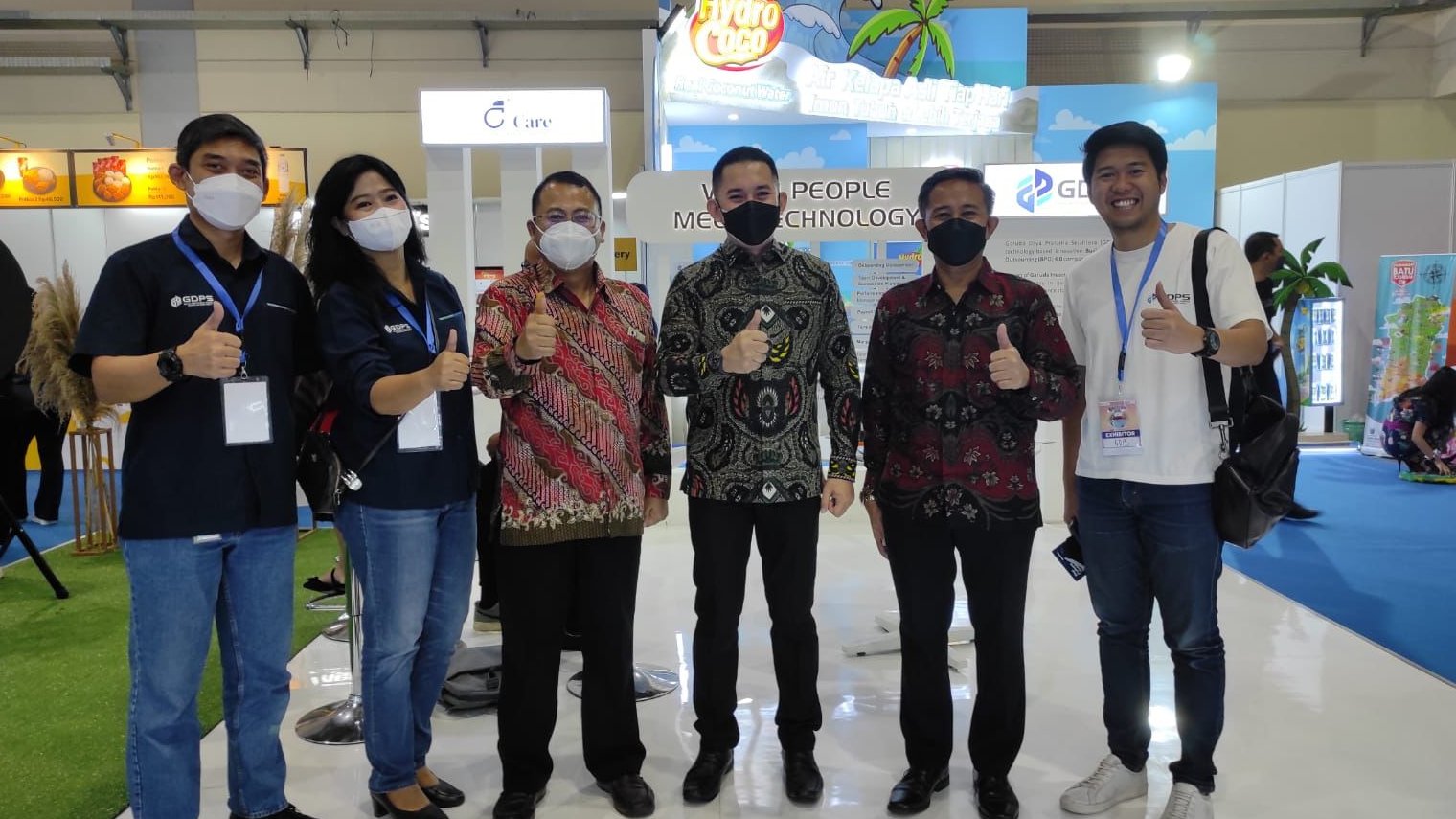
Addressing this, PT GDPS, experienced in providing clean air circulation in aircraft cabins, offers broader application of its innovation. This initiative is recorded as the first in Indonesia and was introduced directly by PT GDPS at the KAI Expo on September 17-18, 2022. From aircraft cabins, it now reaches buildings and land and sea transportation. This patented innovation branded “Beyond Fresh” complements conventional air conditioning use.
“Beyond Fresh is GDPS innovation adopted from next-generation aircraft technology related to indoor aerodynamics science. A combination of advanced technological features eliminates 99.97% of bacteria in the air and minimizes virus transmission risk, thereby ensuring complete safety and comfort for your employees and increasing productivity. Features: Modified air flow, high-quality HEPA filters, and advanced UV-C technology,” said Rachmad Arif Binantoro, Director of Business and Operations at GDPS.
Beyond Fresh is GDPS’s innovative air circulation system adopted from aircraft cabin room technology, applied to indoor spaces and vehicles to reduce Covid-19 transmission risk. Designed by Indonesian aviation experts, Beyond Fresh is capable of deactivating virus-carrying aerosols using UV-C light, filtering viruses through HEPA filters, and regulating air circulation according to ACH standards.
“Through this technology, the public is freed from the risk of inhaling pollutants unknowingly while conducting activities. Beyond Fresh innovation ensures laminar air circulation, proven to filter and kill bacteria and viruses. Furthermore, it is also capable of preventing contaminant spread across a sufficiently wide area. The ACH (Air Changes Per Hour) provided also complies with Indonesian Ministry of Health Regulation standards,” said M. Arif Faisal, President Director of GDPS.
GDPS’s Beyond Fresh innovation brings peace of mind to both industry players and the Indonesian public, enabling them to return to productive and active work outside their homes, embracing various new opportunities in the world after the pandemic.